
Skip
Roof replacement, repair and hail claim help for Englewood, Colorado.

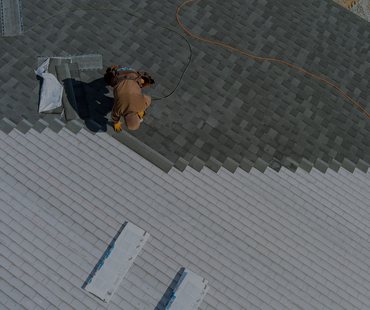
Roof Inspections in Englewood, Free and Documented
Every service we offer starts with the same act: getting eyes and a camera on your roof. We inspect free of charge because it is how we earn work honestly, and because in a hail city like Englewood a roof that looks fine from the driveway can be quietly bleeding granules into the gutters. You get a photo report and a plain-language verdict every time: repair, claim, replace, or leave it alone.
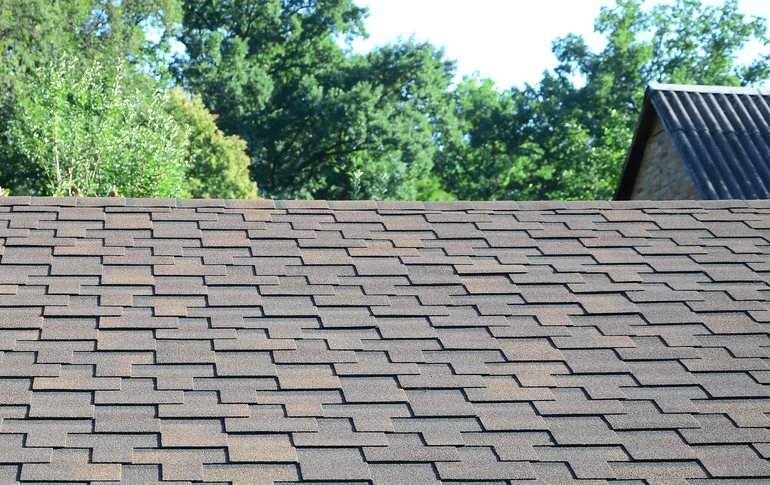
When an Inspection Earns Its Keep
- After a storm. Englewood sat in the verified June 1, 2026 hail swath and was listed again on July 9, 2026. Post-storm inspection preserves the evidence while the claim window is open.
- Buying or selling. A pre-sale roof report kills surprises at the inspection objection deadline. On 1950s housing stock, buyers' inspectors always look up.
- Roof age 15 plus. An annual check on an aging field catches the cheap repair before it becomes the ceiling stain.
- Before winter. Ice dams punish weak eave detailing; the city requires ice barrier 24 inches past the wall line on re-roofs for exactly that reason.
What Our Englewood Roof Inspection Covers
Field shingles and granule condition, hail bruising with chalked test squares where relevant, flashing at chimneys, walls and valleys, penetrations and pipe boots, drip edge and eave metal, gutters and downspouts, low-slope membranes and transitions, visible decking from the attic where accessible, and ventilation intake and exhaust. Findings arrive as photos with captions, not adjectives. If the verdict is that your roof is fine, that is what the report says, and we leave without a pitch.
What a Driveway Estimate Misses on an Englewood Roof
A number shouted from the curb can price what the curb can see: shingle color and approximate size. Everything that actually decides an Englewood roof's fate is invisible from there. Hail bruising reads by touch inside a chalked test square, not from thirty feet. Pipe boots crack on the sun side first, facing away from the street as often as toward it. The shingle-to-membrane transition on a rear addition, this city's most common leak point, is literally behind the house. And the two facts that most change a future re-roof price, plank deck condition and whether the roof already carries two layers, can only be checked from the attic and the eave edge. Our inspection covers all of it because each item, missed, becomes either a mid-project surprise or a leak with a delay on it. The difference between an estimate and an inspection is a ladder and an hour.
Pre-Sale Roof Inspections in a 1950s Housing Market
In a city where the median house predates the moon landing, the roof is the first thing a buyer's inspector photographs, and the sale timeline gives nobody room to be surprised. Sellers use our report to get ahead of the objection deadline: a documented roof condition, targeted repairs done and receipted, or an honest price adjustment decided on your schedule instead of negotiated in a panic during the option period. Buyers use it for the opposite read: layer count and deck type, which decide what the next re-roof really costs; whether that "new roof" in the listing was actually permitted, checkable against the city's records; and whether the low-slope addition was detailed or just tarred. Either side, the report is the same document: photos, condition grades and a priced verdict, delivered fast enough to matter inside a contract window. The roof should be a line item in the negotiation, not a landmine after closing.
Chinook Wind Checks, Because Hail Is Not the Only Storm
Englewood's winter wind events file quieter damage than hail: creased tabs that lost their seal without leaving the roof, lifted rake edges, flashing worked loose one gust at a time. Nothing lands on the lawn, so nobody calls, and the leak arrives at the next wind-driven rain. The design wind speed here runs 105 mph per the city's amendments, but sealant strips age out long before any roof sees that number, and a 60 mph chinook day finds every tab that quietly let go. After a windstorm that has the neighborhood comparing fence damage, a documented roof check is worth the hour, and wind damage is claimable under the same policies that cover hail when it is documented against a date.
What the Written Roof Report Contains
- Slope-by-slope photos with captions, shot on the roof, including the low-slope section on hybrid roofs.
- Condition grades for shingles, flashings, boots, valleys, ridge caps, gutters and the membrane transition.
- Hail evidence where relevant: chalked test squares, collateral dents on soft metals, and the NOAA storm-date reference for your address.
- Code-exposure notes for a future re-roof: layer count, deck type, ice-barrier status, ventilation balance.
- A plain-language verdict: leave it alone, repair (with a price), claim (with the evidence), or replace (with a scope).
Plan on roughly an hour on site for a typical ranch, longer for large or hybrid roofs, with the written report following within a couple of business days, sooner when a claim window is running. There is no invoice and no obligation; the report is yours to hand to any competitor for a second bid, which is exactly why we can afford to write it honestly. You do not need to be home for the roof side of the visit, though ten minutes of attic access meaningfully improves the deck and ventilation read on older houses.
Storm-season honesty: after big hail, out-of-state crews canvas Englewood's grid streets. Colorado law gives you a 72-hour rescission right on any roofing contract and makes deductible-waiving offers illegal. An inspection from a company you called, rather than one that knocked, is the cleanest way to know what is actually on your roof.